Can a Leaning Tree Be Saved, or Does It Need to Be Removed?
A leaning tree doesn't always need to be removed. Some trees grow at an angle for years without becoming dangerous, while others develop a sudden lean that could signal serious problems with their roots or stability. The key is understanding why your tree is leaning and whether that lean has recently changed.
At Executive Tree Service NC, we provide tree removal, tree pruning, and tree trimming services in Creedmoor, NC, and surrounding areas. We help homeowners evaluate their trees and determine the safest way to care for them.
If you've noticed a tree leaning toward your home, driveway, or yard, here's what you should know about the possible causes, when a tree can be saved, and when removal may be the better option.
Why Some Trees Naturally Grow at an Angle
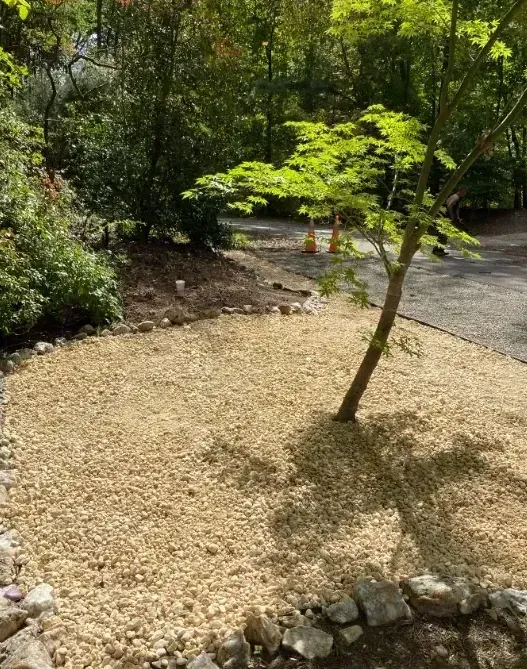
Not every leaning tree is a problem. Trees sometimes grow at an angle because they're reaching toward sunlight, developing on a hillside, or adapting to nearby obstacles.
For example, a tree growing beside a larger tree might lean outward to get more sunlight. Over time, its trunk and roots can develop in ways that help support that position.
A tree that has leaned for many years without noticeable movement may be perfectly healthy. However, its stability still depends on the condition of its roots, trunk, and surrounding soil. The important thing is knowing whether the lean has always been there or is something new.
When Does a Leaning Tree Become Dangerous?
A leaning tree becomes concerning when it suddenly changes position, continues leaning farther, or shows signs that its roots are losing their grip on the soil.
Here's how a long-standing lean compares with a newer one:
| Long-Standing Lean | New or Increasing Lean |
|---|---|
| Developed gradually over several years | Appeared suddenly or recently worsened |
| May have established root support | Could indicate shifting soil or damaged roots |
| May remain stable with proper care | Requires prompt professional evaluation |
| Removal isn't automatically necessary | Removal may be needed if stability is compromised |
One warning sign is soil lifting or cracking near the base of the tree, especially on the side opposite the lean. This can happen when roots begin pulling upward as the tree shifts.
If you notice these changes, keep people and pets away from the area. Avoid parking vehicles underneath the tree until a professional can assess its condition.
Common Causes of Trees Leaning or Shifting
Several things can cause a tree to lean, and identifying the cause is essential before deciding what to do.
Heavy rainfall can soften saturated ground, making it harder for roots to hold the tree securely. In North Carolina, periods of heavy rain and strong storms can contribute to these conditions.
Soil erosion is another concern, particularly on sloped properties where runoff gradually washes soil away from exposed roots. Root damage can also cause unexpected movement. Digging trenches, installing driveways, or performing construction too close to a tree can damage the roots responsible for keeping it upright.
Sometimes the problem is inside the tree itself. A weakened trunk, internal decay, or a poorly developed trunk connection may affect its ability to support its weight. Understanding the cause helps determine whether the tree can remain safely in place.
Can Tree Pruning Help Correct a Leaning Tree?
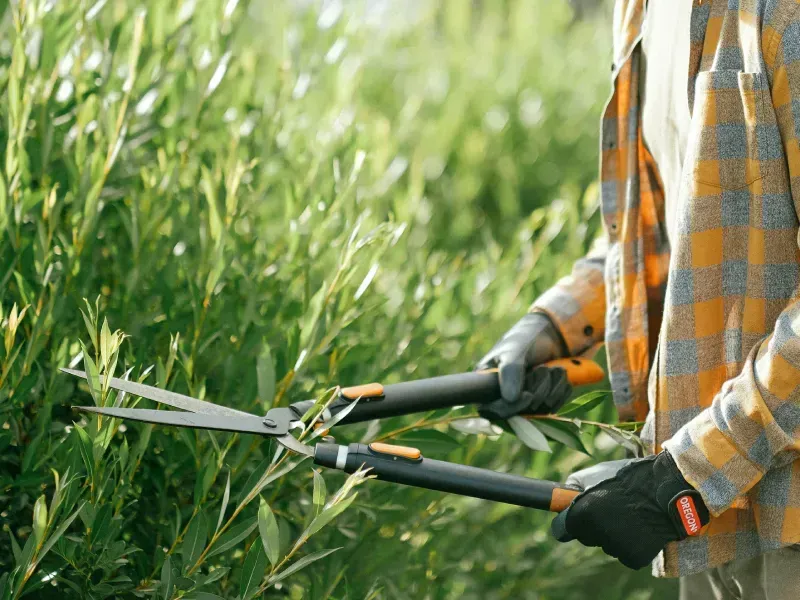
Tree pruning can sometimes improve the balance of a leaning tree, but it usually cannot straighten a mature tree or repair damaged roots.
When a tree has excessive branch growth on one side, selective pruning may reduce weight and lessen the strain on certain limbs. This can be helpful when the root system and trunk are otherwise sound.
However, removing too many branches can stress the tree and create additional problems. Proper professional tree pruning focuses on maintaining healthy growth while addressing specific structural concerns. If your tree is leaning because its roots are failing, trimming branches alone won't solve the underlying problem.
Tree Preservation Options Beyond Pruning
Some leaning trees can be preserved without removing them, depending on their age, condition, and the reason they're leaning. Young trees that haven't developed strong root systems may sometimes benefit from temporary staking or carefully planned support. However, trying to pull a large, established tree upright can damage its roots and make the situation worse.
For trees with healthy roots, correcting drainage issues or protecting the surrounding soil from further erosion may help address contributing conditions.
In certain situations, professionally installed support systems can help manage specific structural weaknesses. These systems aren't suitable for every tree and won't fix unstable roots.
The goal isn't necessarily to make the trunk perfectly straight. It's to determine whether the tree can remain healthy and reasonably safe.
When Is Tree Removal the Safest Option?
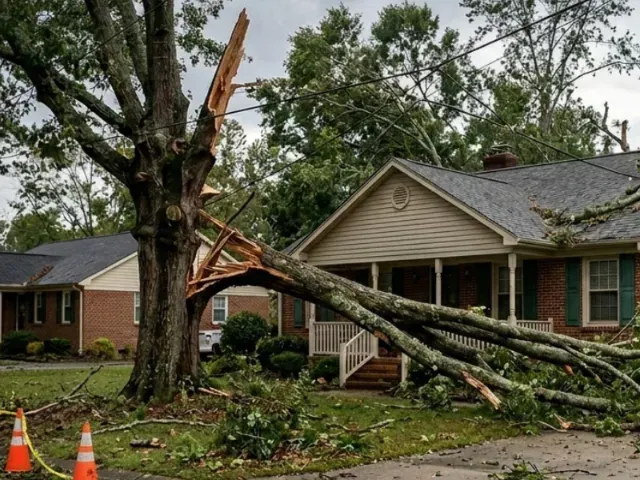
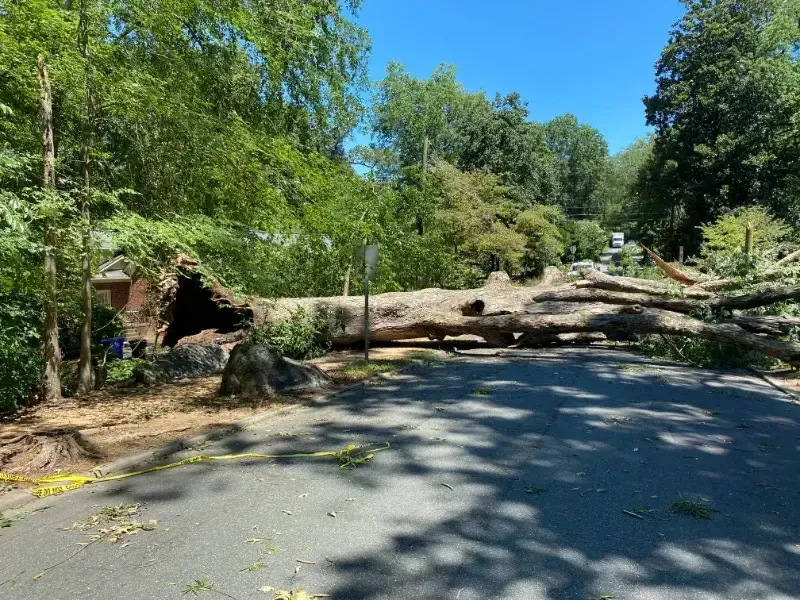
Tree removal is often the safest option when a tree has significant root damage, serious structural defects, or continues shifting toward an area where people or property could be harmed.
A large tree leaning toward a house presents different concerns than a smaller tree leaning into an open field. Location matters because it affects what could happen if the tree falls. Removal may also be recommended when the roots have started lifting out of the ground or the trunk has developed major cracks that affect its strength.
For trees that cannot be safely preserved, professional tree removal services can help homeowners address the problem while reducing risks to nearby structures and landscaping. Never attempt to cut down an unstable leaning tree yourself. Its weight and tension can make the direction of movement unpredictable.
How Professionals Evaluate a Leaning Tree
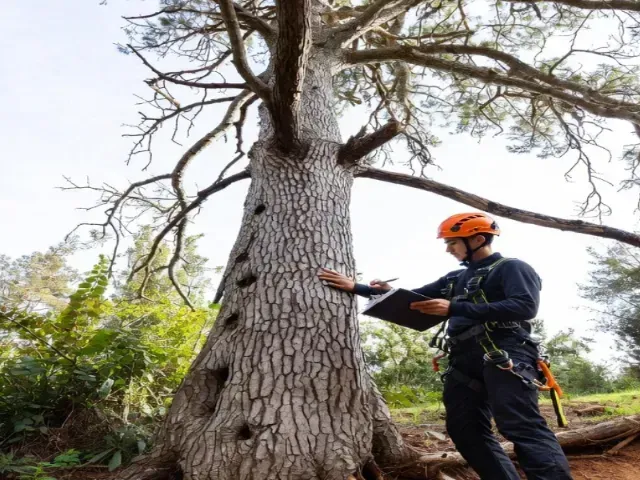
A professional tree evaluation looks beyond the angle of the trunk to understand what's happening throughout the tree.
The inspection typically includes the condition of the roots, visible trunk defects, soil movement, and the distribution of branches. A professional will also consider whether the tree has been leaning for years or recently changed position.
The surrounding property matters, too. Nearby buildings, walkways, power lines, and areas where people spend time all influence the recommendation.
At Executive Tree Service NC, the purpose of evaluating a leaning tree is to determine whether preservation is reasonable or removal is the safer choice. For homeowners wanting to understand the broader inspection process, our article onunderstanding tree risk assessments explains additional factors professionals consider.
What Affects the Cost of Saving or Removing a Leaning Tree?
The cost depends on the tree's size, condition, location, and the work needed to address the problem.
A smaller tree requiring selective pruning may involve less work than a large tree that needs specialized equipment for safe removal.
Accessibility also plays a role. Trees close to homes, fences, or other structures may require additional planning and controlled removal techniques.
If preservation is possible, costs will depend on the recommended pruning, support, or other corrective work.
Because every situation is different, an on-site evaluation is the best way to understand your options. You can also read ourtree removal cost guide for Creedmoor homeowners for more information about the factors that influence pricing.
FAQs
Can a leaning tree straighten itself over time?
A young tree may gradually develop more upright growth as it matures, especially if the conditions that caused the lean improve. However, an established tree usually won't straighten its existing trunk naturally. New growth may become more vertical while the original trunk remains angled. A professional can determine whether the tree needs attention.
Can you use stakes or cables to straighten a leaning tree?
Stakes can sometimes help support a newly planted or young tree while its roots become established. Cables are generally used to support certain structural weaknesses rather than straighten an entire tree. Neither approach is a reliable solution for a mature tree with damaged roots. Improper installation can create additional safety problems.
Will cutting branches off one side help balance a leaning tree?
Selective branch removal may reduce some weight on one side of a tree, but it won't necessarily correct the lean. Removing too many branches can damage the tree's health and create an unbalanced canopy. A professional should assess the tree's structure before deciding whether pruning would be helpful or potentially harmful.
Get Professional Help With a Leaning Tree in Creedmoor, NC
Not every leaning tree needs to be removed, but knowing when to take action can make all the difference. If you've noticed a tree leaning more than usual or you're unsure whether it's safe, it's best to have it checked before the problem gets worse.
At Executive Tree Service NC, we help homeowners in Creedmoor, NC, and surrounding areas make informed decisions about their trees. Whether your tree needs pruning or complete removal, we'll help you understand your options.
Contact us today at
(919) 702-5904 to schedule a professional tree evaluation and find out the best way to protect your home and property.
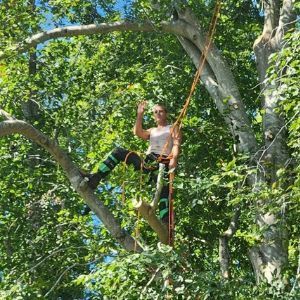
Expert Contribution by Vincent Wilson,
Owner of Executive Tree Service NC
With over 40 years of hands-on experience in tree care, Vincnt knows what it takes to keep trees healthy, beautiful, and safe. After spending decades working with homeowners in the Washington, DC, area, he started Executive Tree Service NC in 2024 to bring that same experience to Creedmoor, NC, and surrounding communities. From tree trimming and pruning to removing hazardous trees, he enjoys helping homeowners make the best decisions for their trees and property.