Understanding Tree Risk Assessment: Is Your Tree Dangerous?
How a Tree Service Performs a Tree Risk Assessment
A healthy tree adds beauty, shade, and comfort to any yard, but hidden problems can slowly develop. That is why many homeowners schedule a tree risk assessment with a trusted tree service. During the evaluation, specialists carefully inspect the trunk, branches, and surrounding soil for warning signs.
They also look at how the tree interacts with nearby structures like homes, fences, or power lines. By reviewing the tree's overall condition, a tree service can determine whether the tree is healthy, needs maintenance, or may eventually become a safety concern for the property.
Signs Your Tree May Be Dangerous: What Experts Look For
Trees often give warning signals before they become dangerous, but those signs can be easy to overlook. Cracks in the trunk, peeling bark, or large dead branches may indicate a tree is under stress. These are common issues a tree service watches for during an inspection.
Mushrooms growing near the base may also suggest internal decay. Homeowners might notice leaning branches or hollow areas in the trunk. While these signs do not always mean removal is necessary, a tree service evaluation can determine whether trimming, monitoring, or other care is recommended.

Why Regular Tree Service Inspections Help Prevent Tree Failures
Trees grow and change gradually, which makes regular inspections an important part of property care. Scheduling routine visits with a tree service allows small concerns to be identified before they become serious hazards for homeowners or neighbors nearby.
During these visits, weak branches, early disease, or structural issues may be discovered. Addressing these concerns early can improve safety and help trees grow stronger. Consistent maintenance also gives homeowners confidence knowing their trees are healthy and their property is protected from unexpected failures.
How Storm Damage Increases Tree Risk According to Tree Service Experts
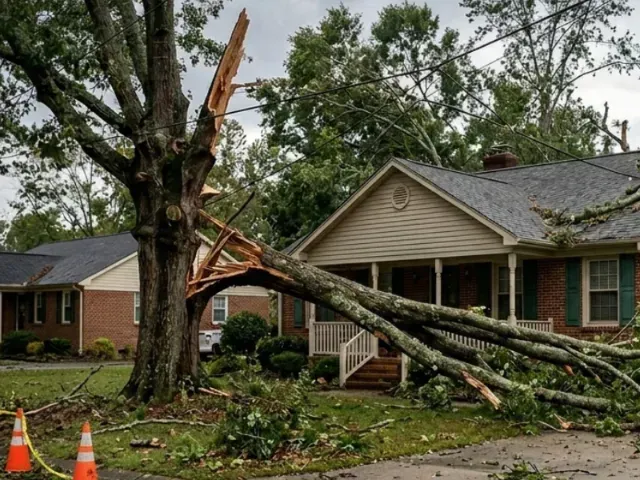
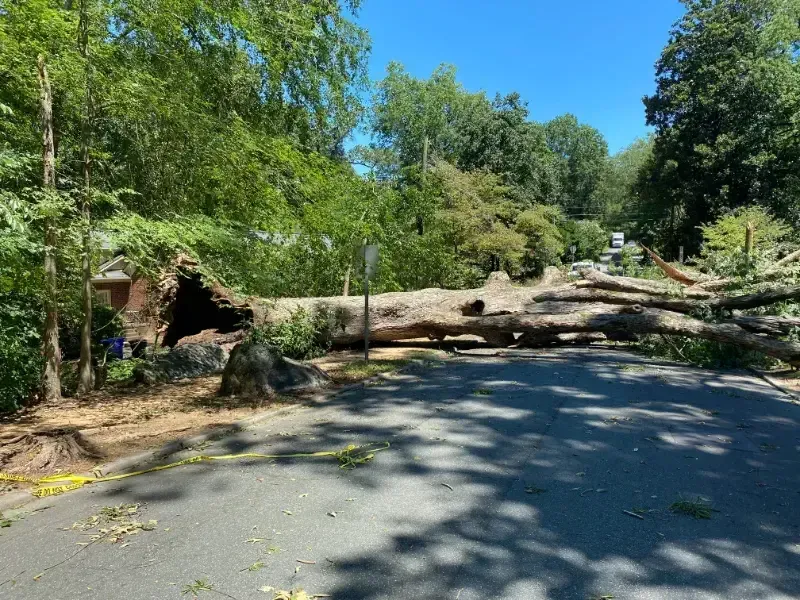
Severe weather can place enormous stress on trees, even when damage is not immediately visible. Strong winds, heavy rain, and lightning may weaken branches or disturb the root system. After storms pass, many homeowners call a tree service to inspect their trees.
A tree may appear fine from a distance, but hidden cracks or shifted roots can develop during storms. These unseen problems may cause branches to fail later. Having a tree service evaluate storm-damaged trees helps identify potential risks before they threaten homes or surrounding structures.
Common Structural Weaknesses Tree Service Companies Identify
Not every tree problem comes from storms or disease. Sometimes the issue is simply the way a tree grows over time. During inspections, a tree service may notice structural weaknesses that increase the risk of breakage. These concerns often develop slowly and can be difficult for homeowners to recognize without experience.
For example, trees with multiple trunks or tightly connected branches may form weak joints as they mature. These areas can split during strong winds or under the weight of heavy limbs. Identifying these patterns early allows trained specialists to recommend careful pruning that improves balance, strengthens the structure, and helps the tree remain safer for the surrounding property.
When Leaning Trees Become a Safety Concern
Many trees naturally grow at slight angles while remaining perfectly healthy. However, when a tree suddenly begins leaning or tilting more than usual, it may signal a problem with the root system or soil stability around the base of the tree.
Warning signs such as exposed roots, cracked soil, or leaning after a storm may indicate shifting ground beneath the surface. In these situations, contacting a tree service is a smart step. An inspection can help determine whether the tree can be stabilized through proper care or if removal is the safest option.
How Dead Branches and Decay Signal the Need for Tree Service
Dead branches are more than a cosmetic concern. As branches dry out, they become brittle and more likely to break during windy conditions. When these weakened limbs fall, they can damage roofs, vehicles, or outdoor spaces. Removing them helps improve safety while also making the tree look healthier and better maintained.
Decay inside the trunk can also weaken a tree's structure over time. Soft wood, hollow areas, or fungal growth may signal internal damage developing beneath the surface. A careful inspection by a tree service can help identify these problems early and determine whether pruning or additional maintenance will help protect the tree's health.
The Role of Tree Service in Preventing Property Damage
Trees provide shade, beauty, and environmental benefits, but poorly maintained trees can sometimes damage property. Falling limbs may land on roofs, fences, vehicles, or walkways, creating unexpected repair costs for homeowners. Even healthy trees can become hazardous if weak branches or structural issues are ignored for long periods.
Working with a tree service helps reduce these risks through regular care and attention. Routine trimming and monitoring allow trees to grow in a balanced, stable way. Preventive maintenance removes weak limbs and improves overall tree health, helping homeowners enjoy their landscape while lowering the chances of sudden property damage or costly repairs.
How Tree Service Professionals Evaluate Root Health and Soil Stability
The root system acts as the foundation that keeps a tree securely anchored in the ground. When roots weaken or soil conditions change, the entire tree can become unstable. Because roots grow underground, problems often develop quietly and may go unnoticed by homeowners for long periods of time.
During inspections, a tree service looks for warning signs such as soil lifting, erosion, or poor drainage around the base of the tree. Construction work nearby can also damage roots and reduce stability. Evaluating these conditions helps determine whether the tree remains secure or if additional care is needed to protect the surrounding property.
When to Call a Tree Service for a Tree Risk Evaluation
If you ever feel unsure about the safety of a tree on your property, it is wise to seek guidance before problems develop. Trees that appear healthy on the outside may still have hidden structural issues that only trained eyes can identify during a careful evaluation of the trunk, branches, and surrounding soil.
If you have concerns about a tree near your home in Creedmoor NC, help is available.
Contact Executive Tree Service NC today and
call at (919)702-5904 to schedule an evaluation and learn how we can help keep your trees safe and your property protected. Our team provides careful inspections and dependable tree care solutions for homeowners throughout the area.