How to Keep Your Trees Healthy Through Every Season in North Carolina
Spring Tree Care Tips Homeowners Can Use to Encourage Strong Growth
Spring is when trees quietly set the tone for the rest of the year. Buds begin to open, branches reach out, and roots start drawing nutrients from the soil. What looks like simple growth is actually a foundation being built for strength and health in the seasons ahead.
Start with observation. Clear away old leaves, broken branches, and anything crowding the base. Take a good look at how new leaves are forming and which limbs made it through winter. Spotting small problems now makes future care easier and gives your trees a better shot at thriving.
Summer Tree Care Basics That Help Trees Handle Heat and Humidity
North Carolina summers don't ease in gently. Heat, humidity, and sudden storms show up fast, and your trees feel it. This is when they work the hardest to stay balanced, hydrated, and stable, even if it doesn't always show.
Watch for early signs of stress. Leaves that curl, thin out, or lose color are often your first clue. Take a walk through your yard and look closely. Noticing these small changes early gives you the chance to step in before the damage gets worse. A little attention now can make a big difference later.
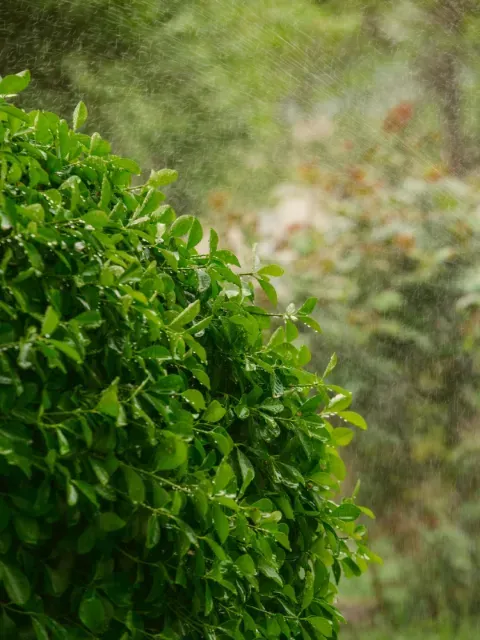
Watering Trees the Right Way During Hot Summer Months
Most homeowners focus on when to water, but how you water matters just as much. Quick surface watering evaporates too fast and never reaches the roots where it counts. Trees thrive on slow, deep watering that encourages stronger, deeper root systems.
The best time to water is early morning. Cooler temps give moisture time to soak in before the heat kicks in. This small change supports tree health during long, dry stretches and helps them stay stable when the weather turns hot. One adjustment in timing can lead to years of stronger growth.
How Mulching Supports Healthier Trees All Summer Long
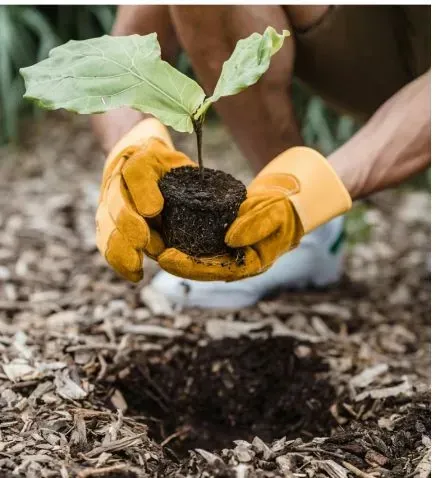
Mulch works like quiet insulation. It keeps soil cooler, holds moisture longer, and shields roots from extreme temperature swings. A two to four inch layer around the base of your tree can make a big difference during the heat of summer.
But placement is everything. Keep mulch a few inches away from the trunk to avoid trapping moisture where it could cause damage. When done right, mulch supports tree health without much effort. A simple weekend task can give your trees weeks of added strength and stability.
Fall Tree Care Steps That Prepare Trees for the Months Ahead
Fall is when trees slow down and shift their energy underground. Growth pauses, leaves drop, and trees begin preparing for colder months ahead. It is a season of transition, not expansion, which makes it the perfect time for simple upkeep.
Remove dead branches and clear away fallen leaves to reduce pests and ease stress before winter hits. These quick steps help trees enter the cold season in better shape. A small amount of effort now can prevent larger problems later and set your trees up for a stronger spring.
Why Seasonal Tree Checkups Make a Long-Term Difference
Tree problems almost never show up all at once. They start small, often hidden from view, and slowly get worse over time. You might notice a crack in the bark, thinning leaves, or unusual growth near the base. These are not random signs; they are quiet warnings that something is off.
Seasonal checkups help you catch those early signs before they become serious. Think of it as routine maintenance, the same way you care for your car or your roof. A quick look every season can save your trees from costly trouble and keep your yard looking its best all year.
Winter Tree Awareness That Helps Prevent Storm Damage
Winter may look calm, but it is one of the toughest seasons for trees. Ice, wind, and heavy rain can add weight and pressure to branches, especially those already weakened earlier in the year. It is a season that tests a tree's strength in quiet but powerful ways.
Homeowners should check for broken limbs after storms and avoid cutting unless it is truly necessary. Winter care is more about staying alert than taking action. The goal is to prevent damage before it happens and keep your trees ready for the seasons ahead.
Where Professional Tree Services Make the Biggest Impact
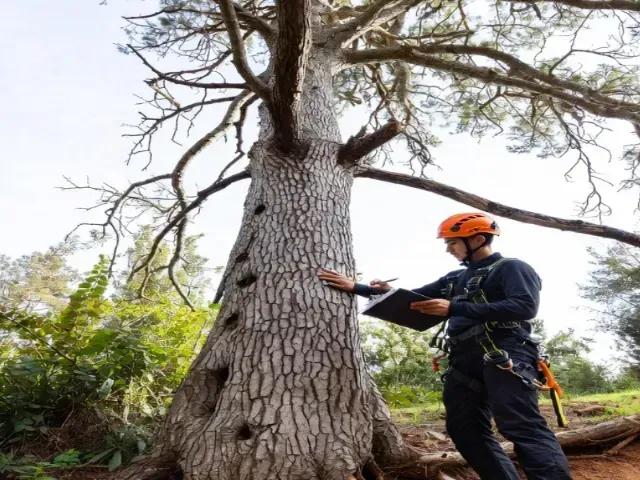
Some tree care tasks are not meant to be guesswork. Structural pruning, large branch removal, and diagnosing tree health require more than just tools. Cutting too much or trimming at the wrong time can weaken a tree instead of helping it grow. It is easy to do more harm than good without the right knowledge.
This is where professional tree services make a real difference. They understand how trees respond over time and use careful techniques to guide growth, protect structure, and reduce stress. With expert help, your trees grow stronger, safer, and more balanced for the seasons ahead.
Why Local Tree Experts Matter in North Carolina
North Carolina trees do not grow under one-size-fits-all conditions. Local soil types, shifting rainfall, summer heat, and intense storm cycles all affect how trees develop and respond to stress. These regional factors make a bigger impact than most homeowners realize.
That is why local experience matters. A professional tree service in your area adjusts care based on real, lived-in knowledge, not guesswork. This kind of tailored approach helps trees grow stronger and healthier over time instead of simply surviving from season to season.
When It's Time to Call a Professional Tree Service
If a tree begins leaning, drops large branches, or shows sudden changes in health, it is time to call in a professional. Tree work can be dangerous without the right equipment and training, and waiting often makes the situation worse. Acting early protects both your property and your trees.
For trusted seasonal tree care in Creedmoor NC,
contact Executive Tree Service at
(919) 702-5904. Our team provides expert care designed to keep your trees healthy, balanced, and safe all year long. When your trees get the right support, they grow stronger and stand taller through every season.