How to Recognize and Treat Common Tree Diseases
Why Tree Health Matters for North Carolina Homeowners
Trees are one of the best parts of a North Carolina yard. They give shade, soften the look of your home, cool the space around you, and make outdoor areas feel peaceful. When trees are healthy, they can grow strong for years and add value to your property over many years.
But trees can also get sick without making it obvious right away. A few odd leaves, weak branches, or soft spots in the bark may be early warning signs. Paying attention helps you catch problems sooner, protect your yard, and avoid bigger issues that could become unsafe or expensive.
Common Signs Your Tree May Have a Disease
A sick tree often gives small clues before the problem becomes serious. You may notice leaves turning yellow, branches dying back, bark peeling, or spots showing up where they were not before. These signs can be easy to miss during a busy week, especially when the yard still looks normal.
The key is to look for changes that keep spreading or getting worse. One brown leaf is usually not a big deal, but many brown leaves may be. If a tree looks thinner, weaker, or different than last season, it may be time for a closer look from a professional.
Leaf Spots, Wilting, and Discoloration: What They Can Mean
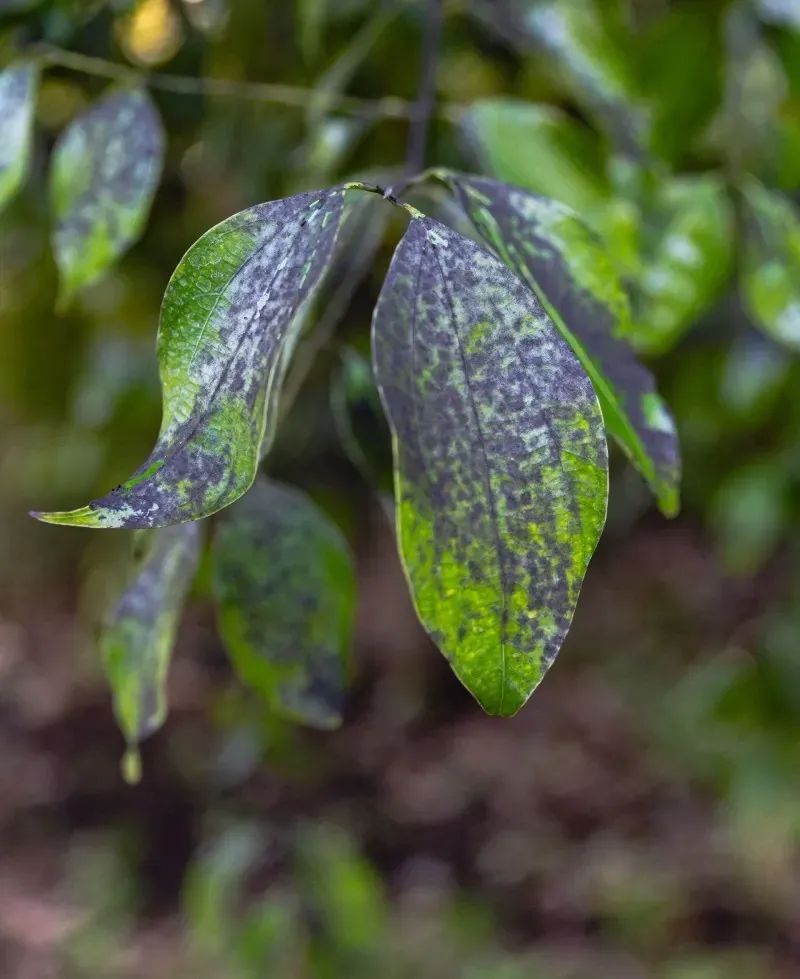
Leaves are like little messengers for your tree. When they spot, wilt, curl, or change color too early, they may be showing stress. Sometimes the cause is disease, but it can also come from insects, dry weather, wet soil, poor drainage, or growing conditions around the roots.
If the problem is only on a few leaves, the tree may recover on its own. If it spreads across large sections, you should pay attention. Early leaf problems can give homeowners a chance to act before the tree becomes weaker, harder to treat, or more costly to care for in many cases.
Fungal Tree Diseases Commonly Found in North Carolina
North Carolina has warm, humid weather, and many fungi love those conditions. Some fungal diseases create spots on leaves. Others attack branches, bark, or roots. You may see dark patches, powdery growth, cankers, mushrooms, or areas that look soft and damaged after rain or heavy moisture.
Fungal issues can be mild, but some can slowly weaken a tree if ignored. The sooner you know what is happening, the better your options may be. A professional tree service can inspect the tree, identify the disease, and recommend the right care based on the problem before it spreads into larger sections nearby.
How Root Rot Can Affect the Health and Stability of Your Trees
Root rot is one of the harder tree problems to notice because it begins underground. It often happens when roots sit in wet soil for too long. Over time, the roots can become soft, weak, and unable to carry water, nutrients, or support the tree properly.
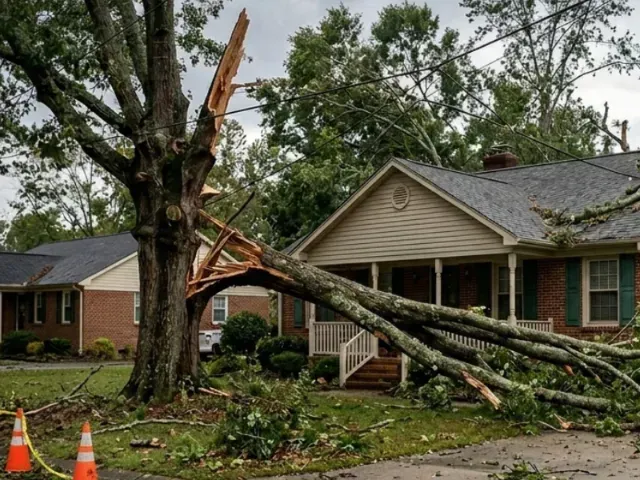
Above ground, the tree may look thin, wilted, or slow to grow. You might see mushrooms near the base or notice the tree leaning more than before. Since roots help hold everything in place, root rot can become a safety concern during heavy rain, strong wind, or storms near your home or driveway too.
When Tree Cankers and Bark Damage Need Attention
Bark protects a tree from the outside world. When it cracks, peels, or opens up, disease and insects may have a way in. Cankers often look like sunken, rough, or dead areas on branches or along the trunk, and they can spread over time if ignored.
Some bark damage comes from storms, lawn equipment, animals, or disease. Small wounds may heal over time, but spreading damage should be taken seriously. If branches begin dying past the damaged area, the tree may need pruning, treatment, or a professional inspection to protect nearby healthy growth before the problem spreads any further outside.
How a Professional Tree Service Can Diagnose Tree Diseases
Tree problems can look very similar from the outside. Yellow leaves may mean disease, too much water, dry soil, compacted roots, pests, or simple stress from weather. That is why guessing can lead to the wrong solution and more frustration for the homeowner.
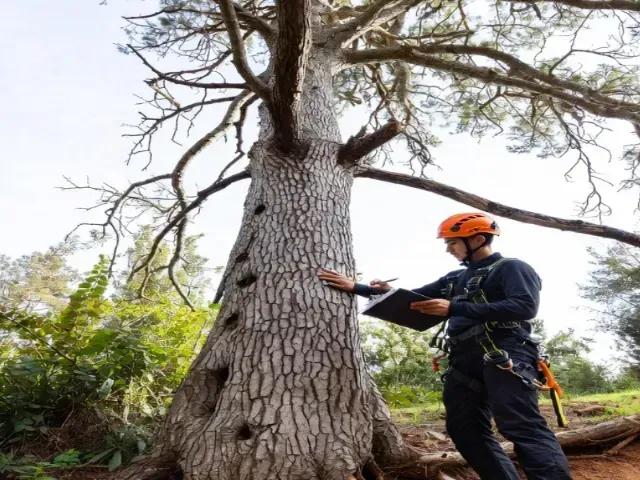
A professional tree service looks at the whole tree and the area around it. They may check the leaves, bark, branches, trunk, soil, roots, and nearby plants. This fuller picture helps identify the real issue and choose a safer, smarter plan for treatment, pruning, or removal. That guidance can save time, money, and stress for your family.
Treatment Options for Common Tree Diseases
Tree disease treatment depends on what is causing the problem. Some trees may need careful pruning to remove sick branches. Others may need better watering, more airflow, healthier soil, or targeted treatment to slow disease and support stronger growth during the next season.
Not every sick tree needs to be removed. Many problems can be managed when they are found early. The goal is to protect what is healthy, reduce stress on the tree, and make the best choice for your yard, home, budget, and safety. A careful plan can also help the tree recover with less stress over time.
When Diseased Trees Need Trimming, Pruning, or Removal
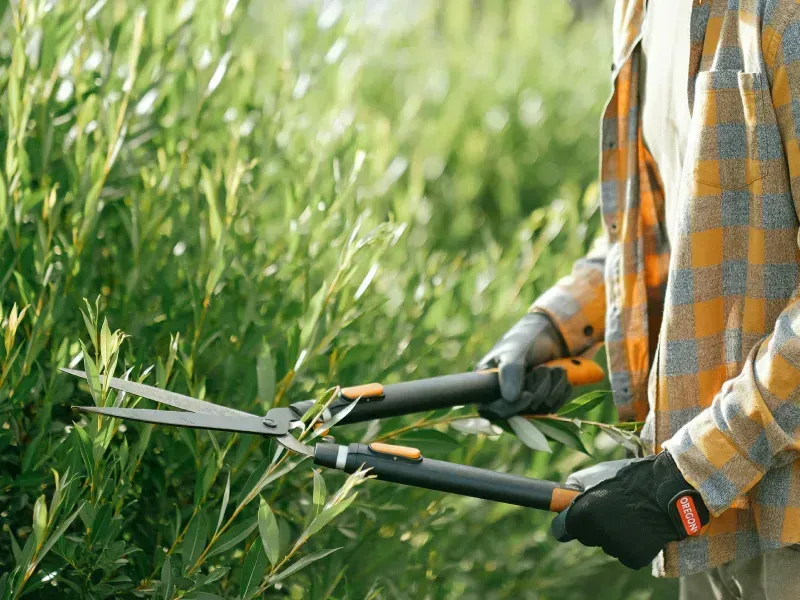
Trimming and pruning can help a diseased tree by removing weak, dead, or infected limbs. This may improve the tree's shape, reduce falling branch risks, and give healthy parts more room to grow. Proper cuts matter because poor cuts can cause more damage.
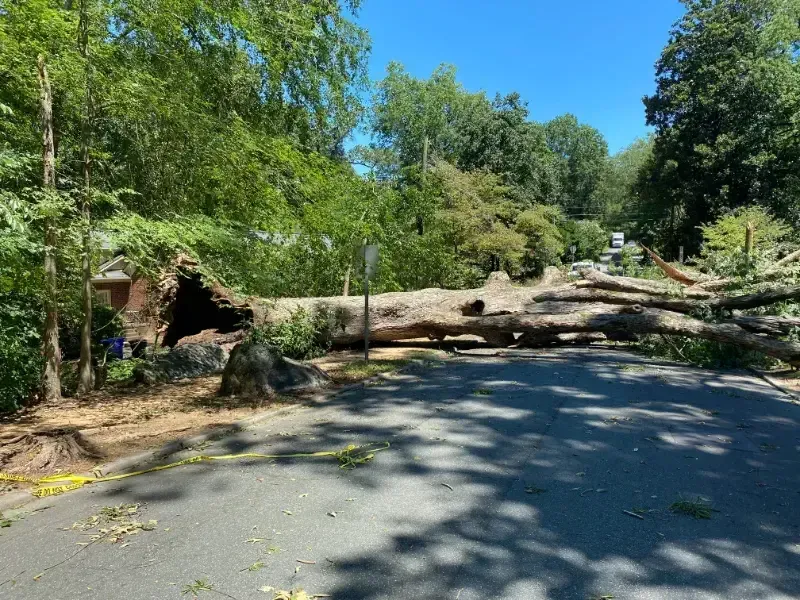
Sometimes a tree is too far gone to save safely. If it is hollow, leaning, badly decayed, or dropping large limbs,
removal may be the best option. A trained tree service can help you understand what is safe, what can wait, and what needs attention now before the next storm causes more stress or damage outside nearby.
Protect Your Property with Professional Tree Service Care
Healthy trees make your property feel cooler, calmer, and more complete. Diseased trees can create stress, especially when they stand near your home, driveway, fence, or favorite outdoor space. Watching for early warning signs is one of the simplest ways to protect your yard and avoid surprise problems.
Reach out to Executive Tree Service NC
in Creedmoor and
call at (919)702-5904
if you notice spots, dead branches, bark damage, mushrooms, or a tree that does not look right. Our team can inspect your trees, recommend the right tree service, and help you plan your next step with confidence.